How Virtual Shuffle Mechanics Influence Long-Term Decision Patterns in Networked Hold'em Sessions
Viktor Zimmermann · May 20, 2026
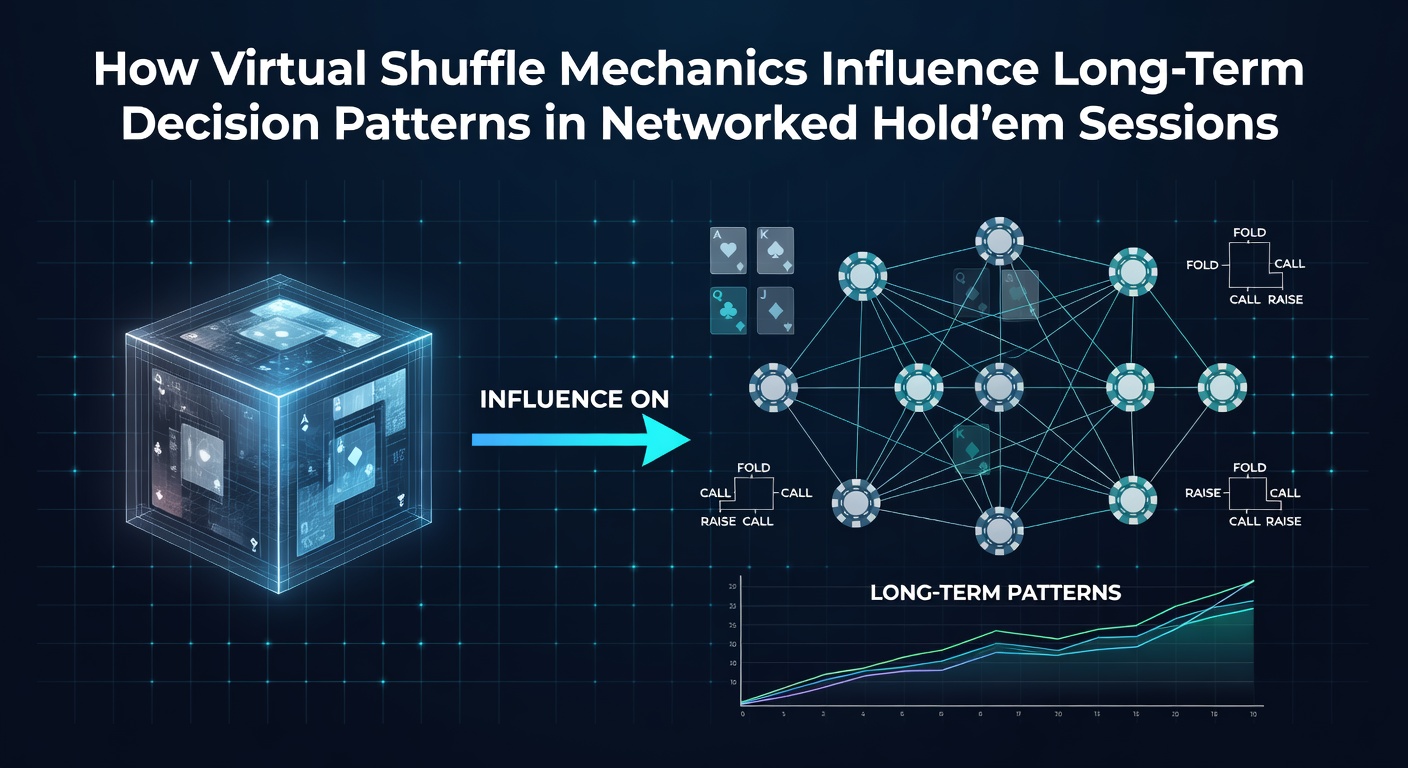
How Virtual Shuffle Mechanics Influence Long-Term Decision Patterns in Networked Hold'em Sessions
Virtual shuffle mechanics form the backbone of fairness in networked Hold'em sessions, where algorithms replace physical decks and generate sequences that players encounter over thousands of hands. These systems rely on pseudorandom number generators certified by regulatory bodies such as the Nevada Gaming Control Board, which sets standards for entropy and predictability to prevent exploitable patterns. Observers note that long-term decision patterns emerge when participants adapt strategies based on perceived randomness rather than actual statistical outcomes, leading to adjustments in betting frequencies and fold rates across extended play periods.
Core Mechanics Behind Virtual Shuffles
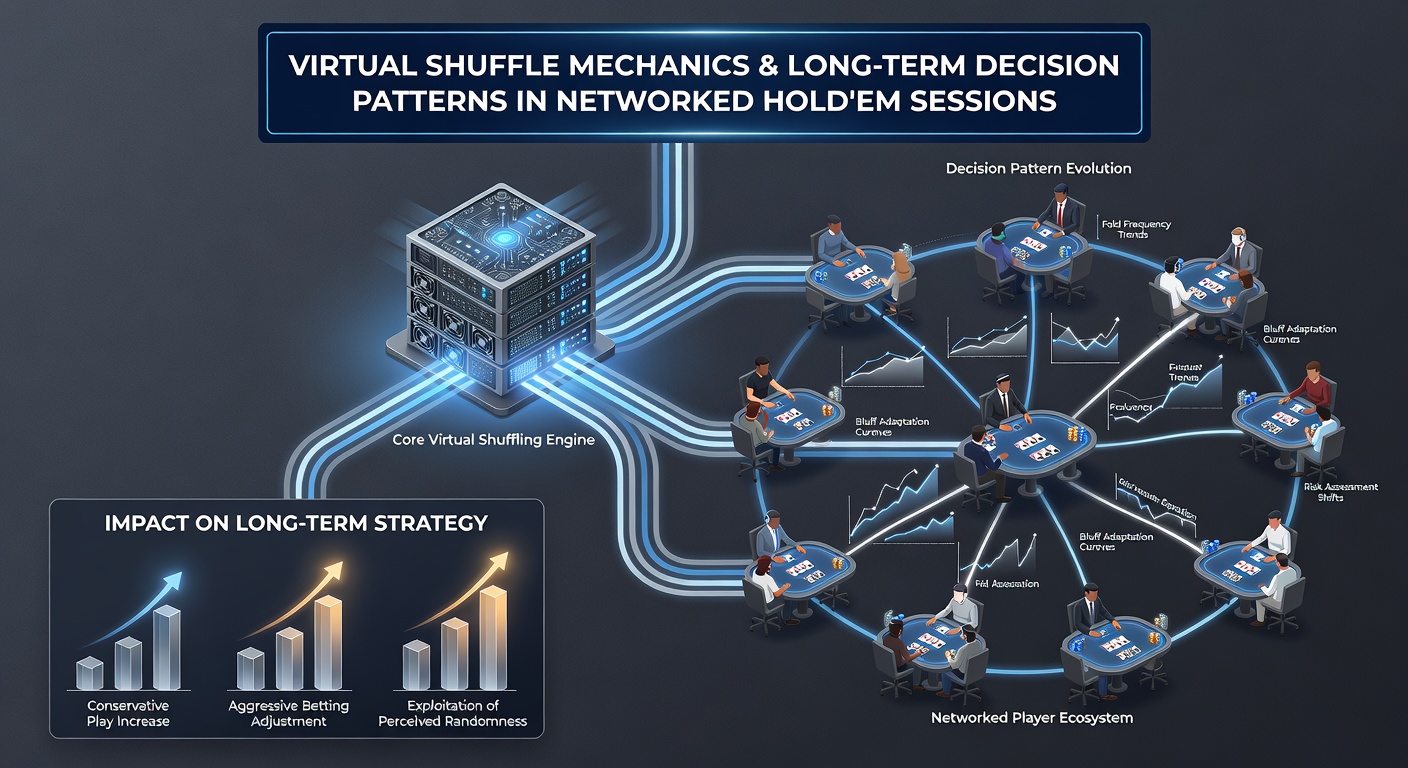
Networked platforms implement shuffle routines that draw from large seed pools updated continuously during active tables, and this process ensures each hand distribution meets uniform probability requirements while avoiding the clustering sometimes seen in manual shuffles. Data from industry reports shows that certified RNG modules undergo periodic audits to confirm compliance with standards established by organizations including the Australian Communications and Media Authority, which oversees online gaming integrity across its jurisdiction. Those who study these systems find that the absence of physical wear or human bias creates a consistent distribution model, yet players often develop heuristics over months of sessions that influence how they interpret river cards or multiway pot dynamics.
Because virtual shuffles reset fully between hands without residual deck memory, participants experience sequences that lack the subtle correlations present in live casino environments, and researchers have documented shifts in aggression levels as users recalibrate to this idealized randomness. Take one study of online Hold'em participants who logged extended sessions during the lead-up to the May 2026 WSOP Circuit events at Horseshoe Los Angeles and Harrah's Cherokee; figures reveal measurable changes in preflop raise sizing as players encountered fewer predictable streaks than they anticipated from live play experience.
Adaptation in Decision Patterns Over Time
Long-term exposure to virtual shuffles prompts adjustments in risk assessment, where players begin weighting outs and implied odds differently after recognizing the mechanical consistency of card arrival. Experts have observed that this recalibration occurs gradually, often within the first several hundred hands, as initial skepticism about algorithm fairness gives way to data-driven responses drawn from personal hand histories. Although short-term variance remains high, the steady output of the RNG encourages tighter ranges in marginal spots once participants accumulate enough volume to detect the lack of human-induced clustering.
What's interesting is how these patterns compound across networked tables, since simultaneous sessions expose users to parallel distributions that reinforce or challenge emerging strategies. Industry analyses indicate that platforms employing cryptographically secure generators see lower rates of prolonged tilt compared with earlier software iterations, because players attribute outcomes more readily to probability rather than external manipulation. One case examined multi-table regulars who integrated virtual shuffle data into their review software, and those individuals demonstrated sustained improvements in expected value calculations over six-month tracking periods.
Comparative Effects Across Platforms and Formats
Differences between single-deck virtual implementations and multi-deck variants used in some tournament structures further shape decision timelines, as the latter introduce slight alterations in flush and straight draw frequencies that accumulate over repeated exposures. Academic examinations of online poker datasets have linked these variations to measurable divergences in continuation bet frequencies among regulars who migrate between formats. Yet the core influence remains the transparent uniformity of each shuffle cycle, which removes the subconscious pattern recognition that live dealers sometimes provide through physical handling cues.
Regulatory frameworks in regions such as the Canadian provinces enforce additional testing protocols that include stress evaluations for edge-case sequences, and compliance with these rules correlates with stable player retention metrics across extended seasons. Observers note that when platforms publish their RNG certification details, users exhibit faster convergence toward optimal strategies because trust in the underlying mechanics reduces second-guessing during critical streets.
Conclusion
Virtual shuffle mechanics continue to define the statistical landscape of networked Hold'em, guiding how participants refine their long-term decision frameworks through repeated interaction with certified random sequences. As platforms maintain compliance with evolving standards from bodies across multiple jurisdictions, players accumulate experience that translates into more precise adjustments in aggression, range construction, and variance management. teh interplay between algorithmic consistency and human adaptation remains a central factor in session outcomes, particularly as major events like the May 2026 WSOP Circuit stops draw increased attention to online qualifiers and their underlying distribution systems.