Online Poker Cards: How Digital Decks Operate Across Networked Platforms
Yves Berger · Aug 21, 2026

Online Poker Cards: How Digital Decks Operate Across Networked Platforms
Online poker cards function through complex random number generators that produce sequences equivalent to physical shuffles, and these systems undergo regular testing by independent laboratories to maintain fairness standards. Platforms distribute these virtual decks across global servers while complying with regional gaming regulations that specify certification requirements for every deck cycle.
Random Number Generation in Card Distribution
Every online poker card originates from algorithms certified under standards set by bodies such as the Nevada Gaming Control Board, which requires continuous audits of generator outputs to confirm statistical randomness. These generators create 52-card sequences in milliseconds, then apply additional entropy sources like system timestamps and user inputs to prevent predictable patterns during play sessions.
Researchers at institutions including the University of Nevada have documented how certified generators maintain uniformity across millions of hands, with deviation rates remaining below thresholds defined in technical reports. Players encounter these decks in formats ranging from cash games to tournaments, where the same core mechanisms handle multiple simultaneous tables without overlap.
Security Protocols Protecting Virtual Decks
Encryption layers wrap each card value before transmission to client software, preventing interception during data exchange between servers and user devices. Operators implement additional measures such as salted hashes and periodic reseeding of generators to block reverse-engineering attempts that could expose upcoming cards.
Regulatory frameworks in jurisdictions like New Jersey and Malta mandate third-party penetration testing at least annually, with findings published in compliance summaries that detail any vulnerabilities addressed before deployment. These protocols extend to mobile applications where latency variations could otherwise introduce timing-based exploits.
Integration with Multiplayer Environments in 2026
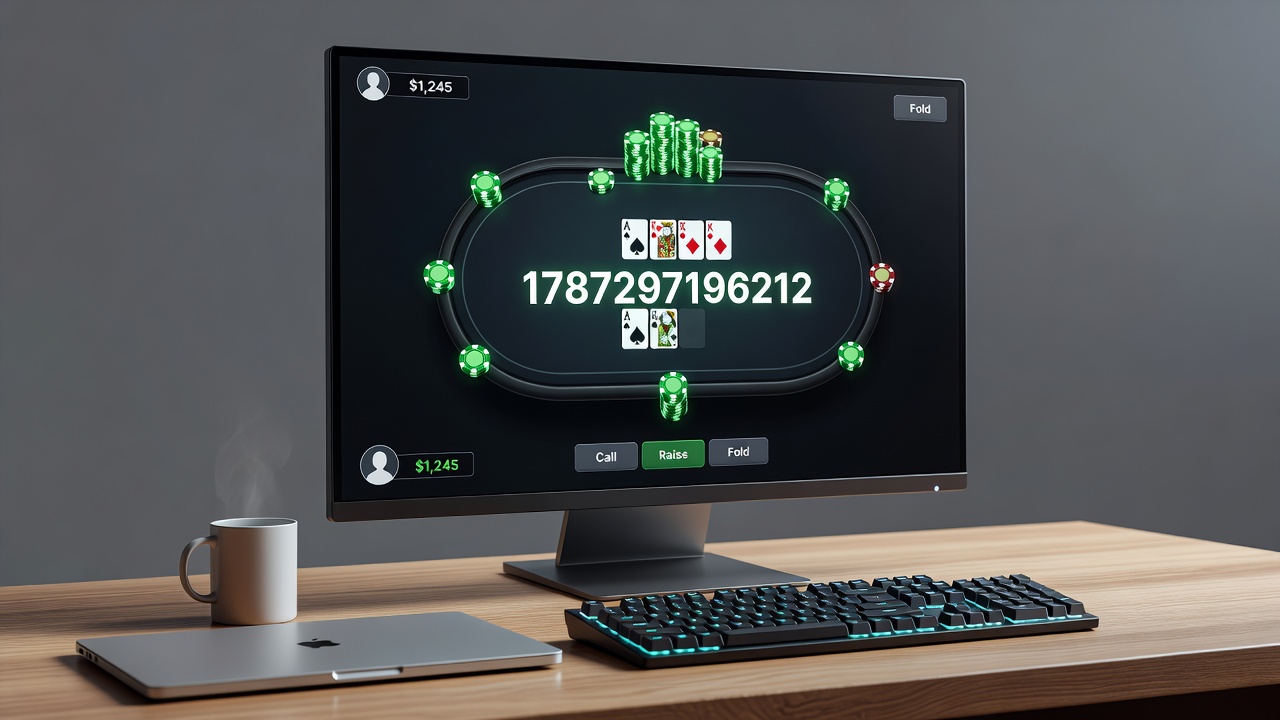
August 2026 saw several platforms roll out updated deck-handling modules that support larger field sizes in progressive knockout events while preserving the same randomization integrity. These updates addressed scaling challenges when thousands of players join simultaneously, ensuring each table receives an independent shuffle sequence drawn from the central generator pool.
Data from industry monitoring services indicate that average session lengths have increased in regions with improved server infrastructure, correlating with refined card delivery speeds that reduce perceptible delays between actions. Observers note that interface adjustments in these environments affect how quickly players process hand information without altering the underlying card probabilities.
Regulatory Oversight Across Regions
Canadian provincial authorities and Australian state regulators apply distinct testing regimens for online poker cards, often requiring localized data centers to host generators and store audit logs. This geographic distribution helps address latency concerns while satisfying cross-border player protection rules that demand transparent reporting of shuffle verification results.
Reports compiled by organizations such as the European Gaming and Betting Association compile certification statistics showing that over 95 percent of licensed operators pass initial audits on first submission when they employ established generator libraries. These figures reveal consistent adherence to standards that prioritize both randomness and operational resilience against hardware failures.
Conclusion
Online poker cards rely on certified random number generators, layered encryption, and multi-jurisdictional oversight to replicate physical deck behavior at scale. As platforms continue refining these systems through 2026 and beyond, the core principles of verifiable randomness and secure distribution remain central to maintaining player confidence across networked environments.