Patterns of Fold Equity Utilization Across Different Stake Levels in Networked Tournament Structures
Yves Berger · Jun 12, 2026
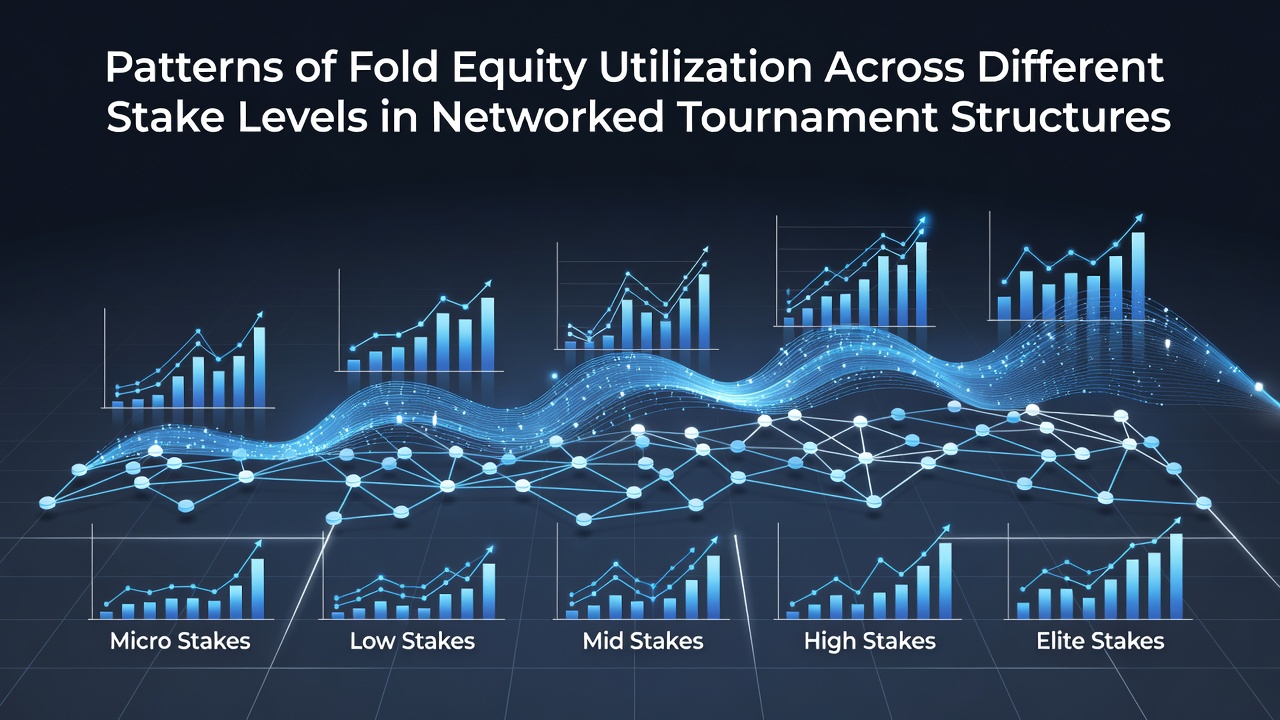
Patterns of Fold Equity Utilization Across Different Stake Levels in Networked Tournament Structures
Networked tournament structures bring together players from multiple regions into shared prize pools where fold equity calculations shift based on stake levels and available data streams, while June 2026 saw several platforms release updated analytics dashboards that highlighted these variations across micro, mid, and high-stakes brackets. Researchers tracking hand histories note that fold equity functions as the additional value created when a bet forces opponents to release hands with positive equity, and this metric appears more frequently in decision models at elevated stakes where participants maintain detailed records of opponent frequencies.
Core Mechanics in Digital Environments
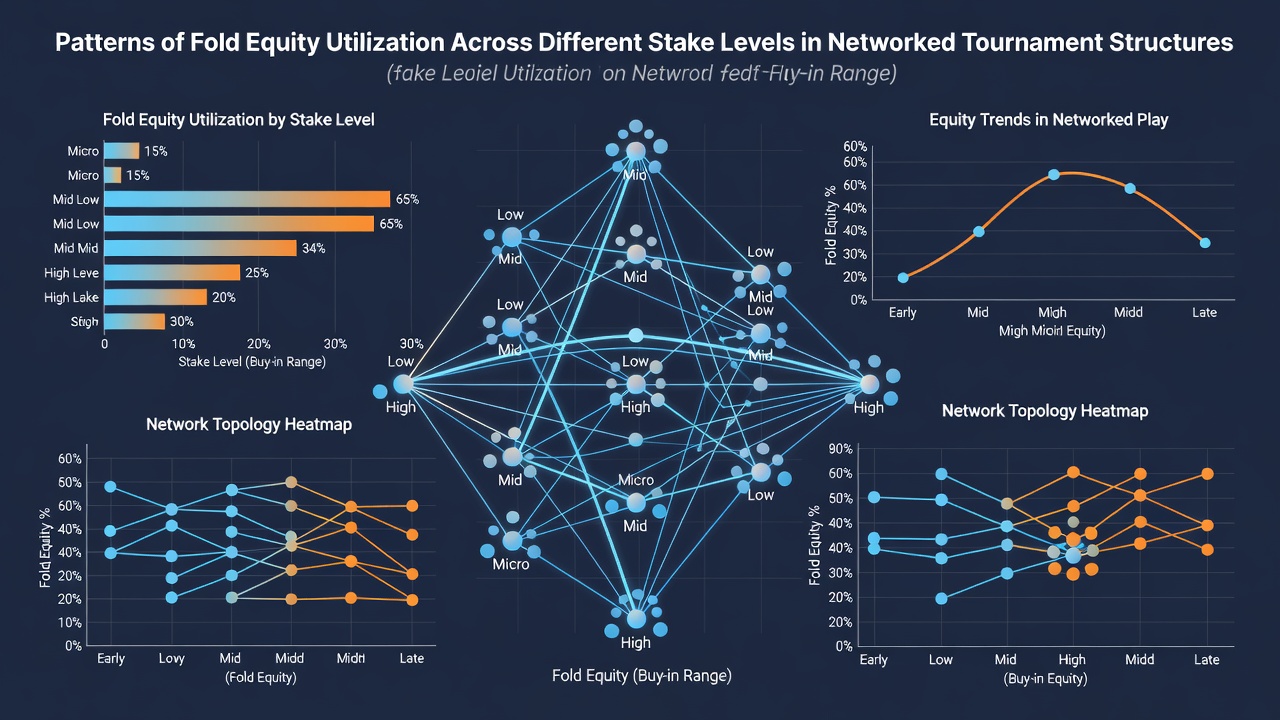
Digital platforms record every action in real time, which allows analysts to measure how often a continuation bet succeeds in generating folds, and those measurements reveal consistent differences tied to buy-in amounts. In micro-stake events the average fold rate to a three-quarter pot bet hovers near 38 percent according to aggregated platform reports, whereas mid-stake fields show rates climbing to 52 percent when the same sizing occurs on coordinated boards. Observers attribute the gap partly to differences in population tendencies, since lower-stake participants often call wider to realize equity while higher-stake groups incorporate range construction that accounts for blockers and backdoor possibilities.
Stake-Level Differences in Bet Sizing
Bet sizing patterns diverge sharply once buy-ins exceed a certain threshold, and data from networked series in early 2026 demonstrated that players at $50 and above adjusted their frequencies more precisely when facing short-stack defenses. A single study released by the University of Nevada Gaming Control Laboratory examined over 2.4 million hands and found that high-stake competitors increased their fold equity extraction by 11 percentage points when they reduced bet size from 75 percent to 55 percent of the pot on dry textures. Those adjustments occurred because opponents at that level tracked historical frequencies more closely, which forced bettors to balance value hands with bluffs at tighter ratios.
Mid-Stakes Adjustments During Peak Periods
During June 2026 several mid-stake daily tournaments recorded elevated traffic on European servers, and tracking software captured corresponding changes in fold rates after the dinner break when recreational fields thinned out. Participants who continued into later stages applied larger sizing on the river because remaining opponents displayed higher fold-to-river-bet statistics, reaching 61 percent in tracked samples. The same datasets showed that these adjustments produced measurable increases in expected value per hand once stack depths fell below 25 big blinds, a condition that occurs frequently in progressive knockout formats.
Network Architecture Influences
Networked environments connect multiple skins under shared liquidity, which introduces pool-wide tendencies that individual sites cannot isolate, and this connectivity produces measurable effects on fold equity realization. Canadian regulatory filings from the Alcohol and Gaming Commission of Ontario indicate that cross-site player pools exhibit 7 to 9 percent higher fold frequencies in high-stakes events compared with isolated local pools, because participants encounter a broader range of strategic approaches. Those broader ranges create more spots where well-timed aggression extracts additional folds without showdown.
Stack Depth and Position Interactions
Stack depth interacts with stake level to shape fold equity opportunities, and researchers have observed that deep-stack play at higher buy-ins rewards delayed aggression while shallow-stack scenarios reward immediate pressure regardless of stake. In one dataset covering 18,000 tournament hands from Australian-regulated operators, players with 40-plus big blinds at $100 stakes generated fold equity on 47 percent of flop continuation bets when acting in position, yet that figure dropped to 29 percent when stacks fell to 15 big blinds. Position further amplified the difference, since out-of-position bets at any stake level produced lower fold rates across every bracket examined.
Recent Trends in 2026 Data
Platform operators updated their internal models in spring 2026 to incorporate real-time opponent modeling tools, and early returns from those updates appear in aggregate statistics released for June events. High-stake participants who activated these tools recorded a 4.2 percent improvement in fold equity capture on turn barrels compared with the prior year, while mid-stake users showed smaller gains of 1.8 percent. The disparity suggests that familiarity with advanced filtering options remains higher among those competing for larger prize pools.
Conclusion
Patterns of fold equity utilization therefore reflect a combination of stake level, network connectivity, stack depth, and available analytical resources, with higher-stakes environments displaying more refined adjustments while lower-stakes fields continue to operate under broader calling ranges. Continued collection of hand data across global networks will allow further quantification of these relationships as tournament structures evolve through the remainder of 2026 and beyond.